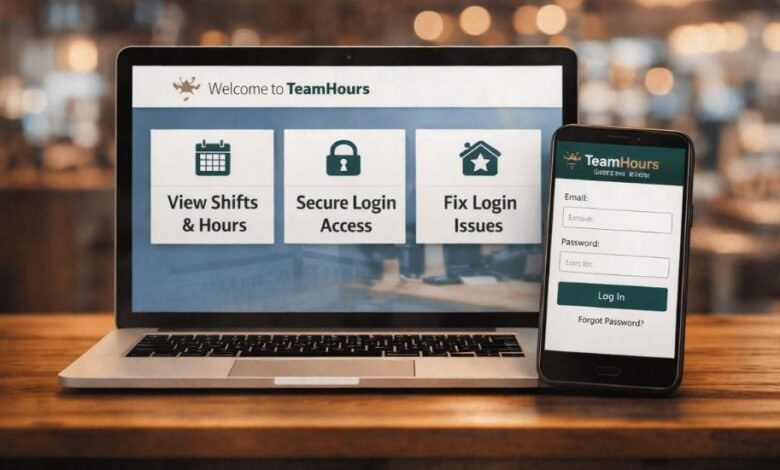
In today’s fast-paced digital workplace, managing employee time efficiently has become one of the most critical challenges for organizations of all sizes. From startups to large enterprises, every business relies on accurate scheduling, transparent tracking of working hours, and smooth communication between managers and employees. This is where the concept of TeamHours comes into focus.
TeamHours refers to a modern approach and digital platform philosophy centered on managing team schedules, tracking work hours, and improving workforce productivity through automation and real-time data. Instead of using manual spreadsheets, paper timesheets, or fragmented tools, TeamHours integrates scheduling, attendance, reporting, and communication into a unified system.
This article explores what TeamHours is, why it matters, how it works, its benefits, challenges, and the future of team-based time management systems.
Understanding the Concept of TeamHours
At its core, TeamHours is built around one simple idea: make time management transparent, accurate, and easy for both employers and employees. Traditional systems often suffer from human error, lack of updates, and miscommunication. TeamHours replaces these outdated practices with digital solutions that provide:
- Centralized scheduling
- Automated time tracking
- Real-time updates
- Clear reporting and analytics
- Seamless communication
Instead of managers spending hours creating rotas or chasing timesheets, TeamHours enables them to design schedules digitally and track attendance automatically. Employees, on the other hand, can check their shifts anytime, log their hours, and request changes directly from their devices.
This creates a collaborative environment where everyone is aligned on expectations and responsibilities.
Why TeamHours Is Important in Modern Workplaces
The modern workforce is more complex than ever. Businesses now operate across time zones, remote teams, hybrid models, and flexible shifts. This complexity makes accurate time management essential.
Key reasons TeamHours has become important include:
- Operational Efficiency
Automation reduces manual work and administrative burden. Managers no longer need to update schedules manually or reconcile handwritten timesheets. - Transparency and Trust
When employees can see their logged hours and schedules clearly, disputes about pay and overtime decrease. - Compliance and Accuracy
Many industries must comply with labor laws related to overtime, rest periods, and working hours. TeamHours helps ensure accurate records are maintained. - Scalability
As organizations grow, managing staff manually becomes nearly impossible. TeamHours systems scale with the business.
Core Features of TeamHours Systems
1. Scheduling and Shift Management
One of the most powerful elements of TeamHours is its ability to manage shifts efficiently. Managers can:
- Create weekly or monthly schedules
- Assign shifts based on availability
- Avoid conflicts or overlaps
- Update shifts instantly
Employees receive notifications about changes, eliminating confusion and last-minute surprises.
2. Time Tracking and Attendance
Time tracking ensures every minute worked is recorded accurately. Features often include:
- Clock-in and clock-out options
- Mobile access
- Manual corrections with approval
- Automatic calculation of total hours
This accuracy supports payroll processing and workforce planning.
3. Employee Self-Service Tools
TeamHours empowers employees by giving them control over their schedules. Common self-service features include:
- Viewing upcoming shifts
- Requesting time off
- Swapping shifts with approval
- Updating availability
This reduces the workload on HR teams and encourages accountability.
4. Reporting and Analytics
With built-in analytics, managers gain insights into:
- Total hours worked
- Overtime trends
- Productivity patterns
- Staffing needs
Data-driven decisions replace guesswork, allowing businesses to optimize labor costs.
5. Communication and Notifications
Instead of relying on notice boards or phone calls, TeamHours uses:
- Push notifications
- Emails or app alerts
- In-system messaging
This keeps everyone informed about changes in real time.
Benefits of TeamHours for Employers
Improved Workforce Planning
By analyzing historical data, managers can predict peak periods and schedule staff accordingly. This prevents both understaffing and overstaffing.
Reduced Administrative Costs
Automation minimizes paperwork and saves valuable managerial time. Resources can be redirected to strategic activities.
Accurate Payroll Processing
When hours are logged precisely, payroll becomes smoother. Errors in pay calculations are significantly reduced.
Better Compliance Management
TeamHours systems can track overtime limits, rest requirements, and legal working hours, helping businesses avoid penalties.
Increased Productivity
When employees know their schedules clearly and systems run smoothly, productivity naturally increases.
Benefits of TeamHours for Employees
Transparency
Employees can see exactly how many hours they have worked and what shifts are assigned to them.
Flexibility
Shift swaps and time-off requests become easier, supporting work-life balance.
Fairness
Automated systems reduce favoritism or unfair scheduling practices.
Reduced Stress
Clear schedules and reliable time records eliminate uncertainty about work expectations and pay.
TeamHours Across Industries
Hospitality and Retail
These industries rely heavily on shift work. TeamHours helps restaurants and stores manage fluctuating customer demand and seasonal staffing needs.
Healthcare
Hospitals and clinics must ensure proper staffing around the clock. TeamHours improves scheduling accuracy and compliance with labor regulations.
Manufacturing
Factories depend on precise labor planning to meet production targets. TeamHours ensures the right number of workers are present at the right time.
Remote and Hybrid Teams
For distributed teams, TeamHours provides visibility into work hours and attendance, even across different locations.
Challenges in Implementing TeamHours
While TeamHours offers many advantages, organizations may face challenges such as:
- Resistance to Change
Employees accustomed to traditional systems may be hesitant to adopt new technology. - Training Requirements
Proper onboarding and training are necessary for successful adoption. - Data Privacy Concerns
Storing work hours digitally requires strong security measures. - Integration Issues
Some businesses struggle to integrate TeamHours with existing payroll or HR software.
Overcoming these challenges requires clear communication, user-friendly tools, and strong leadership support.
The Role of Automation and AI in TeamHours
As technology evolves, TeamHours platforms are becoming smarter. Artificial intelligence and automation are transforming how workforce management works.
Key developments include:
- Predictive scheduling based on historical data
- Automatic detection of overtime risks
- Smart alerts for staffing shortages
- Performance insights from time patterns
These innovations allow managers to move from reactive decision-making to proactive workforce planning.
TeamHours and Work-Life Balance
One of the most overlooked benefits of TeamHours is its impact on employee well-being. Predictable schedules, fair shift distribution, and transparent records help employees plan personal time better. This improves morale and reduces burnout.
Organizations that value balanced scheduling often experience:
- Lower turnover rates
- Higher employee satisfaction
- Better employer reputation
TeamHours thus becomes not just a management tool but a driver of workplace culture.
The Future of TeamHours
Looking ahead, TeamHours systems will likely evolve into fully integrated workforce ecosystems. Future trends may include:
- Deeper AI-powered analytics
- Biometric attendance tracking
- Integration with productivity and project tools
- Cloud-based global workforce platforms
As remote work and flexible schedules continue to grow, the demand for smart time management solutions will increase. TeamHours will remain central to this transformation.
Why TeamHours Matters for Business Growth
Businesses that manage time effectively gain a competitive advantage. TeamHours ensures:
- Better resource utilization
- Reduced operational waste
- Increased employee engagement
- Higher profitability
Time is one of the most valuable assets in any organization. TeamHours helps businesses protect and optimize this asset.
Conclusion
TeamHours represents a modern solution to one of the oldest workplace challenges: managing time. By combining scheduling, tracking, communication, and analytics into a single system, it transforms how organizations operate. Employers benefit from efficiency and accuracy, while employees enjoy transparency and flexibility.
In a world where productivity and work-life balance are equally important, TeamHours bridges the gap between organizational goals and human needs. It is not just about counting hours—it is about building smarter, fairer, and more efficient workplaces.
As businesses continue to adopt digital workforce tools, TeamHours will play a key role in shaping the future of work. Articles like this aim to educate readers about the importance of structured time management and the impact it has on modern organizations.
This detailed discussion on TeamHours is proudly presented for readers of marketblog, where we explore emerging workplace technologies and business management trends. Through marketblog, our goal is to provide insightful, practical, and forward-looking content that helps businesses and professionals stay informed and competitive in an evolving digital economy.