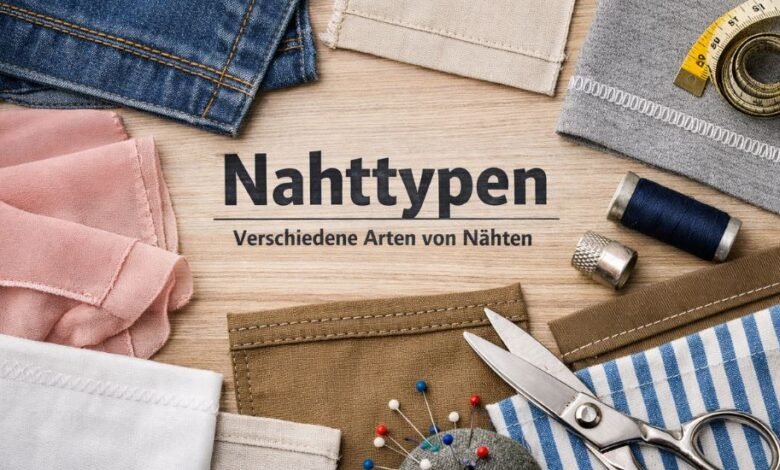
In the world of sewing and garment construction, seams are the foundation that holds fabric pieces together. The German term “Nahttypen” refers to the different types of seams used in sewing and textile production. Whether you are creating clothing, home textiles, or industrial fabric products, choosing the correct seam type is essential for durability, flexibility, and visual appeal.
Every sewing project relies on seams to maintain structure and functionality. From simple everyday garments to complex fashion designs, seam types determine how well a product performs during use and washing. Understanding Nahttypen helps both beginners and professional tailors create garments that are strong, comfortable, and aesthetically pleasing.
This guide explores the most common seam types, their uses, advantages, and how to choose the right seam for different fabrics and sewing projects.
What Are Nahttypen?
The term Nahttypen literally translates to “types of seams.” In textile engineering and sewing, a seam is the line where two or more pieces of fabric are joined together using stitches, adhesives, welding, or bonding methods.
Seams are essential in:
- Clothing manufacturing
- Fashion design
- Upholstery work
- Textile crafts
- Industrial fabric production
Each seam type has its own characteristics and purpose. Some seams focus on strength and durability, while others emphasize flexibility or decorative appearance. By understanding different seam types, designers can choose the most suitable method for each project.
Why Understanding Nahttypen Is Important
Learning about seam types is important for anyone involved in sewing or garment production. The right seam can significantly improve the quality and lifespan of a product.
1. Durability
Certain seams provide stronger support for fabrics that experience stress, such as jeans, jackets, and workwear.
2. Fabric Compatibility
Different fabrics behave differently. Lightweight fabrics require delicate seams, while thick fabrics need stronger seams.
3. Professional Appearance
Proper seam techniques create clean finishes that improve the overall appearance of garments.
4. Comfort
Well-chosen seams help garments feel comfortable and flexible when worn.
5. Prevention of Fabric Fraying
Some seam types are designed specifically to prevent edges from unraveling.
Understanding these factors allows tailors and designers to produce high-quality garments and textile products.
Main Types of Nahttypen in Sewing
There are many seam types used in sewing, but several are considered the most common and widely used in garment production.
1. Plain Seam (Basic Seam)
The plain seam is the most basic and widely used seam in sewing. It involves placing two pieces of fabric together and stitching them along the seam allowance.
Features
- Simple construction
- Suitable for most fabrics
- Easy for beginners to learn
Common Uses
- Dresses
- Shirts
- Skirts
- Pillowcases
- Household textiles
This seam is often the starting point for beginners because it forms the foundation for many other seam variations.
2. Straight Stitch Seam
A straight stitch seam is created using a sewing machine that stitches in a straight line. It is one of the most commonly used stitching methods in garment construction.
Advantages
- Strong and durable
- Clean and neat appearance
- Quick and efficient sewing method
Best Used For
- Cotton fabrics B,
- Linen garments
- Bedding and tablecloths
- Basic clothing items
However, straight stitches are not ideal for stretch fabrics because they lack elasticity.
3. Zigzag Seam
The zigzag seam forms a zigzag pattern instead of a straight line. This stitch type provides flexibility and prevents fabric edges from fraying.
Key Benefits
- Flexible seam for stretch fabrics
- Prevents edge fraying
- Decorative stitching option
Common Applications
- Knit fabrics
- Sportswear
- Swimwear
- Stretch garments
Many sewing machines include zigzag stitch settings, making this seam accessible for home sewing projects.
4. French Seam
The French seam is a neat and elegant seam that hides raw edges inside the seam itself. This technique creates a clean finish on both sides of the fabric.
Characteristics
- Double stitching technique
- Raw edges enclosed inside the seam
- Elegant and professional appearance
Ideal For
- Silk fabrics
- Chiffon garments
- Lightweight dresses
- Lingerie
French seams are commonly used in delicate garments where visible seam finishes would affect the appearance.
5. Flat-Felled Seam (Kappnaht)
The flat-felled seam is known for its strength and durability. It encloses raw edges completely and lies flat against the fabric.
Features
- Double line of stitching
- Extremely strong seam
- Clean interior finish
Common Uses
- Denim jeans
- Workwear
- Jackets
- Heavy-duty garments
This seam is commonly seen on the outer seams of jeans because it can withstand heavy wear and tear.
6. Overlock Seam
An overlock seam is created using a special machine called a serger. The machine trims the fabric edges and stitches them simultaneously.
Advantages
- Prevents fabric fraying
- Professional finish
- Stretchable seam
Applications
- T-shirts
- Knitwear
- Sports clothing
- Modern garment production
Overlock seams are widely used in industrial garment manufacturing because they are fast and efficient.
7. Double-Stitched Seam
The double-stitched seam involves sewing two rows of stitches for extra reinforcement.
Benefits
- Increased durability
- Decorative effect
- Extra security for heavy fabrics
Common Uses
- Denim garments
- Uniforms
- Work clothing
- Bags and accessories
This seam provides extra strength in areas that experience heavy stress.
Industrial Classification of Seam Types
In the textile industry, seam types are often categorized into standardized classes based on their construction method.
1. Superimposed Seams
Two or more fabric layers are placed on top of each other and stitched together.
2. Lapped Seams
One piece of fabric overlaps another before stitching.
3. Bound Seams
Fabric edges are enclosed with binding material.
4. Flat Seams
Two fabric pieces are joined edge to edge, creating a flat surface.
5. Decorative Seams
These seams are primarily used for visual appeal rather than structural strength.
Industrial classification helps manufacturers maintain consistent quality in garment production.
Choosing the Right Nahttypen for Your Project
Selecting the correct seam type depends on several factors. Understanding these considerations helps achieve the best results.
Fabric Type
Different fabrics require different seam techniques.
- Lightweight fabrics → French seam
- Medium fabrics → Plain seam
- Heavy fabrics → Flat-felled seam
- Stretch fabrics → Zigzag or overlock seam
Garment Function
Garments that experience stress require stronger seams.
For example:
- Jeans → Flat-felled seam
- Sportswear → Overlock seam
- Formal dresses → French seam
Appearance
Some seams are chosen purely for decorative purposes, adding unique design elements to clothing.
Sewing Skill Level
Beginners usually start with simple seam types like plain seams and straight stitches before learning advanced seam techniques.
Tips for Perfect Sewing Seams
Creating strong and neat seams requires practice and proper technique. Here are a few tips for improving your sewing results.
Use the Right Needle
Different fabrics require different needle types.
Maintain Proper Seam Allowance
Consistent seam allowance ensures accurate garment construction.
Press Seams with an Iron
Pressing seams during sewing improves the final appearance.
Test Stitch on Scrap Fabric
Always test your stitches before sewing the final garment.
Use Quality Thread
Strong thread prevents seam breakage and improves durability.
These simple practices can significantly improve the quality of your sewing projects.
The Role of Nahttypen in Modern Fashion
In modern fashion design, seam types are not only functional but also part of the garment’s visual identity. Designers often use decorative seams, exposed stitching, and creative seam placements to enhance the overall look of clothing.
Advanced sewing technologies have also introduced new seam techniques such as:
- Laser welding seams
- Bonded seams
- Seamless garment construction
These innovations are widely used in sportswear, performance clothing, and high-tech textiles.
Despite technological advances, traditional seam types remain essential for most sewing projects and garment production.
Conclusion
Understanding Nahttypen is an essential skill for anyone involved in sewing, tailoring, or textile production. Seam types determine how well fabrics are joined together, how durable a garment will be, and how professional the final result appears.
From simple plain seams to strong flat-felled seams and elegant French seams, each seam type serves a unique purpose. Choosing the right seam based on fabric type, garment function, and design requirements ensures high-quality results.
Whether you are a beginner learning basic sewing techniques or a professional designer creating complex garments, mastering different seam types can significantly improve your sewing skills and garment construction quality.
For more helpful guides and informative articles related to sewing, fashion, and textile topics, readers can explore additional resources available on marketblog, where practical knowledge and detailed tutorials help readers improve their creative and technical skills.