NLPadel: Exploring the Growth of Padel and the Rise of the Dutch Padel Ecosystem

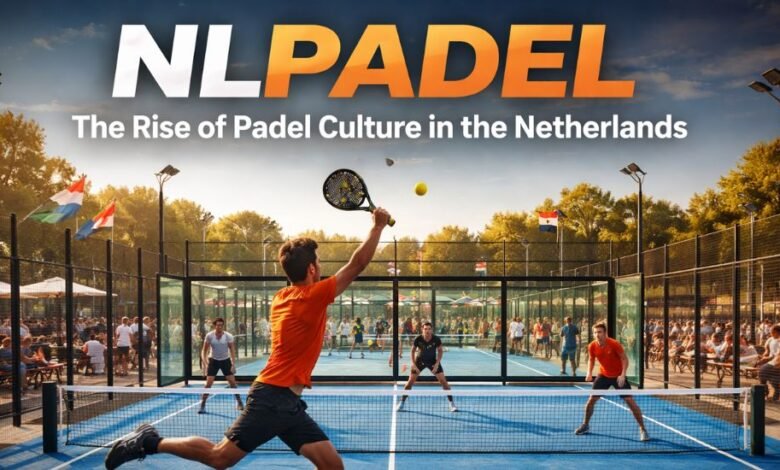
Padel has rapidly become one of the fastest-growing sports in the world, attracting millions of players across Europe, Latin America, and beyond. Among the countries experiencing significant growth in this sport is the Netherlands, where the concept of NLPadel has started gaining attention among players, sports enthusiasts, and digital communities. The term “NLPadel” generally refers to the Dutch padel ecosystem, including clubs, players, organizations, competitions, and digital platforms that support the sport in the Netherlands.
In recent years, padel has transitioned from being a niche racquet sport into a mainstream recreational and competitive activity. As the sport grows in popularity, communities like NLPadel play a vital role in promoting awareness, organizing events, and helping players improve their skills. This article explores what NLPadel is, how padel developed in the Netherlands, the technology behind modern padel training, and what the future holds for the sport.
Understanding the Sport of Padel
Padel is a racquet sport that combines elements of tennis and squash. It is usually played in doubles on a smaller enclosed court surrounded by glass and mesh walls. The walls are part of the gameplay, allowing the ball to bounce off them, which adds a strategic and dynamic element to the sport.
Unlike tennis rackets, padel rackets are solid with perforated holes and no strings. The balls used are similar to tennis balls but slightly less pressurized. The scoring system is also the same as tennis, which makes it easier for new players to understand.
One of the main reasons padel has become so popular is that it is easier to learn than tennis. Beginners can quickly enjoy rallies without extensive training. Because the game is usually played in doubles, it also promotes social interaction, making it an appealing activity for friends, families, and communities.
What Does NLPadel Mean?
The term NLPadel is a combination of two elements:
- NL, the international abbreviation for the Netherlands
- Padel, the sport itself
Together, the term represents the growing padel community within the Netherlands. NLPadel can refer to various aspects of the sport, including:
- Dutch padel clubs and organizations
- Local tournaments and competitions
- Training programs and coaching initiatives
- Online communities and platforms focused on Dutch padel players
- Data analytics and technology used to improve player performance
As the sport continues to grow in the country, NLPadel is increasingly becoming associated with the entire Dutch padel ecosystem.
The Rapid Growth of Padel in the Netherlands
Over the past decade, the Netherlands has seen an explosive rise in the popularity of padel. Tennis clubs across the country have begun converting some of their courts into padel courts to meet the growing demand.
Several factors have contributed to this growth.
Increasing Number of Padel Courts
The number of padel courts in the Netherlands has increased dramatically. Hundreds of new courts have been built across the country in sports clubs, recreational centers, and dedicated padel facilities.
Many tennis clubs have adopted padel because the sport attracts younger audiences and casual players who might not otherwise join traditional tennis programs.
Expanding Player Base
Thousands of new players join padel clubs every year in the Netherlands. The sport appeals to a wide range of age groups, from teenagers to older adults.
Because the learning curve is relatively short, beginners often feel comfortable playing after only a few sessions.
Strong Community Engagement
Padel thrives on community interaction. Clubs frequently organize social matches, friendly tournaments, and training events that encourage players to stay involved. The social aspect of padel is one of the reasons why the NLPadel community has grown so quickly.
Why Padel Is So Popular
The rapid expansion of padel in countries like Spain, Sweden, Italy, and the Netherlands can be explained by several factors.
Easy to Learn
Padel is beginner-friendly. Players with little experience in racquet sports can start enjoying the game quickly. The smaller court size and slower ball speed make it easier to control the game.
Social Experience
Most padel matches are played in doubles. This makes the sport highly social, allowing friends and colleagues to play together regularly.
Less Physically Demanding Than Tennis
Although padel still requires movement and coordination, it is generally less physically demanding than tennis due to the smaller court size.
Strategic Gameplay
The walls surrounding the court create interesting gameplay strategies. Players can use rebounds off the glass to return difficult shots, which adds excitement and tactical depth.
The Role of Technology in NLPadel
Modern sports are increasingly influenced by technology, and padel is no exception. Some NLPadel initiatives focus on integrating technology into training and player development.
Performance Tracking
Advanced sensors and tracking systems can analyze:
- Shot speed
- Ball placement
- Player movement
- Reaction time
These insights help players identify areas where they can improve.
AI-Powered Coaching
Artificial intelligence tools can analyze match data and provide personalized coaching tips. These systems allow players to understand their strengths and weaknesses more effectively.
Smart Sports Platforms
Digital platforms connected to NLPadel communities may allow players to:
- Book courts online
- Join tournaments
- Track match statistics
- Connect with other players
These innovations make padel more accessible and organized.
NLPadel Clubs and Community Culture
Padel clubs are the backbone of the NLPadel ecosystem. Many clubs offer structured training programs for beginners, intermediate players, and advanced competitors.
Typical club activities include:
- Weekly practice sessions
- Amateur tournaments
- Coaching clinics
- Social leagues
The community-focused nature of these clubs encourages players to remain active and engaged with the sport.
Competitive Padel in the Netherlands
While padel is widely enjoyed recreationally, competitive padel is also growing rapidly in the Netherlands.
National Tournaments
Various national competitions allow players to compete at different skill levels. These tournaments help develop new talent and increase the sport’s visibility.
Professional Pathways
As the sport grows internationally, more Dutch players are aiming to compete in European and global padel tournaments.
Youth Development
Many clubs now offer junior programs designed to introduce young athletes to padel at an early age. These programs aim to build the next generation of professional players.
Health Benefits of Playing Padel
Padel is not only fun but also beneficial for physical and mental health.
Cardiovascular Fitness
The fast-paced rallies and constant movement improve heart health and stamina.
Improved Coordination
Players must react quickly to rebounds from the glass walls, improving hand-eye coordination.
Stress Relief
Sports activities like padel help reduce stress by promoting physical activity and social interaction.
Muscle Strength
Regular play strengthens legs, arms, and core muscles.
Because the sport is enjoyable and engaging, many people maintain long-term participation.
The Future of NLPadel
The future of NLPadel appears extremely promising. Several trends indicate continued growth for the sport in the Netherlands.
More Facilities
As demand increases, more sports centers and clubs are expected to build new padel courts.
Professional Recognition
Padel is gaining international recognition, and the Netherlands is likely to play a larger role in global competitions.
Technology Integration
AI analysis, wearable devices, and smart courts will likely become more common in the padel training environment.
International Events
Hosting international tournaments could further strengthen the Netherlands’ reputation in the padel world.
With these developments, NLPadel may become a major hub for padel innovation and community engagement.
Why NLPadel Matters
The rise of NLPadel represents more than just the growth of a sport. It reflects the evolution of recreational activities in modern societies.
Padel offers a combination of competition, fitness, and social interaction that appeals to today’s players. Communities like NLPadel help organize and promote the sport while encouraging participation from people of all backgrounds.
As more players discover the excitement of padel, the NLPadel ecosystem will likely continue expanding through new clubs, tournaments, digital platforms, and training programs.
Final Thoughts
Padel has become one of the most exciting emerging sports in Europe, and the Netherlands is playing an important role in its development. The concept of NLPadel represents the collective energy of players, clubs, technology platforms, and organizations dedicated to growing the sport within the country.
From local community matches to national competitions, NLPadel reflects the dynamic and social nature of padel culture. As facilities expand and technology enhances training methods, the future of the Dutch padel ecosystem looks brighter than ever.
Sports communities and digital platforms will continue to shape how people experience padel, and the influence of NLPadel is expected to grow in the coming years. For readers interested in learning more about emerging sports trends, technology in athletics, and community-driven activities, platforms like marketblog will continue to provide valuable insights and updates.